What is the Singapore method in mathematics?
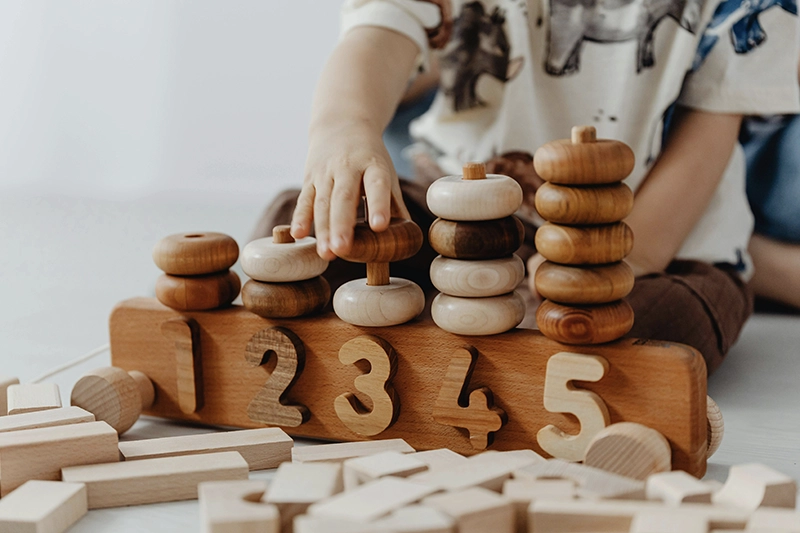
The Singapore method teaches math in three stages: first, manipulating concrete objects (cubes, counters), then drawing visual diagrams , and finally moving on to numbers and symbols. The child truly understands what they are doing before calculating.
The concrete, visual, and abstract approach at the heart of learning
The central principle of the Singapore method is based on the Concrete-Visual-Abstract approach, also known as the Concrete-Representational-Abstract approach or CRA approach. This progression is particularly well-suited to primary school children, as it respects their natural way of primary school children.
Initially, the student manipulates. They use real objects to discover a concept.
Adding means grouping. Subtracting means taking away. Multiplying means repeating a quantity.
Next, the child learns to represent these situations with drawings, diagrams, or visual models. This visual approach helps them to create solid mental reference points.
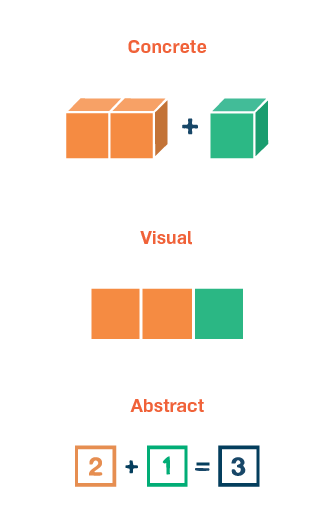
Finally comes the abstract phase. The student then uses mathematical symbols, numbers, and written operations.
Thanks to the previous steps, these symbols have meaning. This transition is essential. It allows the child to move from the concrete world to more abstract thinking, indispensable for the rest of their schooling, particularly in algebra.
Problem-solving, a pillar of the Singapore method
Problem-solving in central to the Singapore method. Students do not simply perform unrelated calculations. They learn to analyze a situation, model it, explain their reasoning, and justify their answer. The focus is on the process, not just the result.
This approach profoundly changes the relationship with mathematics. Mistakes become normal. They serve to encourage reflection and progress.
Children learn to think like real mathematicians, using models, diagrams, and logical reasoning.
Exercises for learning to count, multiplication exercises, and word problems are always placed in concrete situations. We understand why we calculate and what purpose it serves.
Learning math differently thanks to digital tools
Today, the Singapore method is no longer limited to paper manuals. Digital tools enrich the experience while respecting the spirit of the method.
Without specific training in the Singapore method, these tools can be a real support, whether you are a parent or a teacher.
The myBlee application offers a wide variety of manipulations:
- Montessori cards,
- stackable cubes,
- measurements with a ruler or protractor.
The student can handle money, weigh objects on a Roberval balance, draw graphs with their fingertips, or explore and rotate objects in 3D.
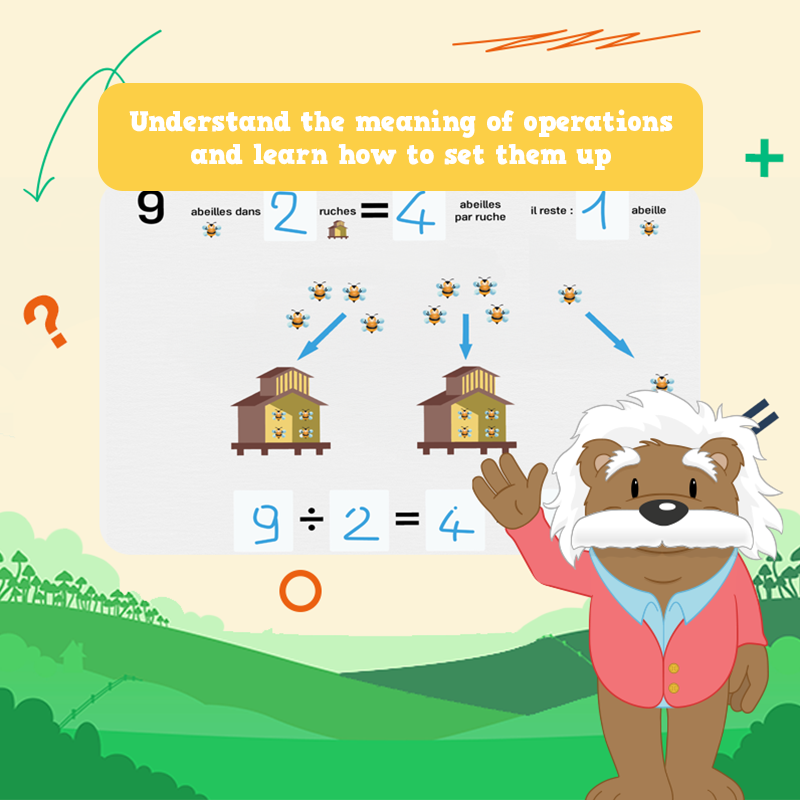

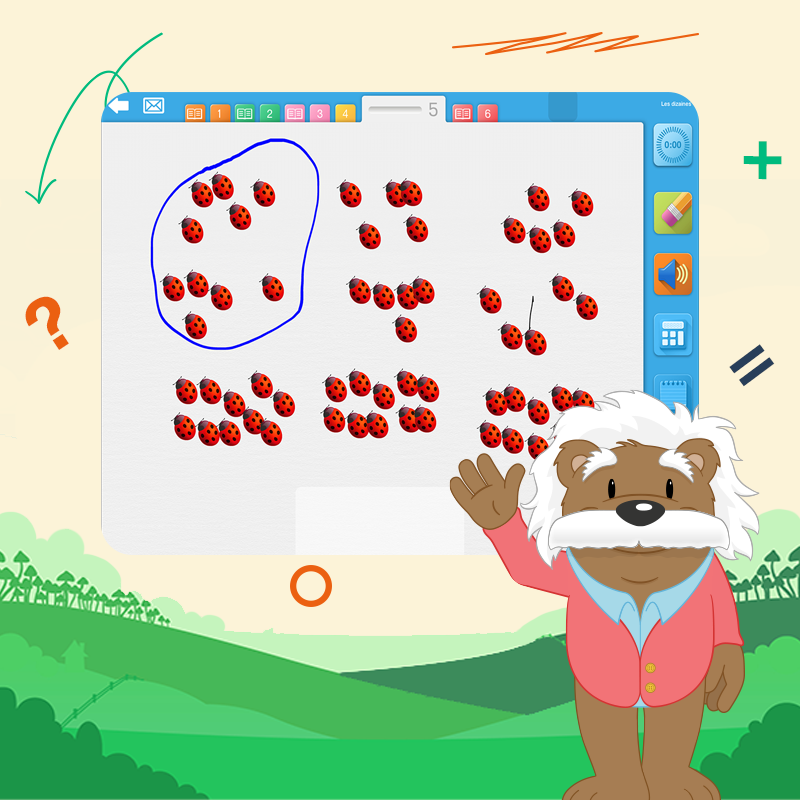
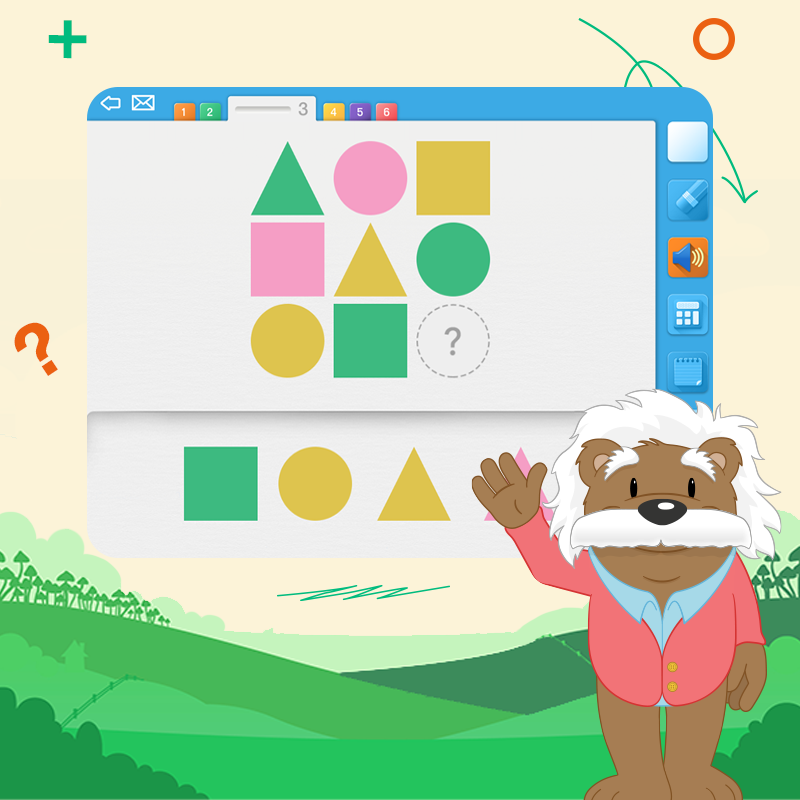
A concrete example of learning division with myBlee
Here is a concrete example of the use of the Singapore method in the myBlee app: division is first introduced through concrete and visual situations. For example, students divide seeds equally among several birds or apples into baskets, in order to understand the deeper meaning of the operation.
Only after this step is the division symbol introduced , followed by the column algorithm to "set up" a division.
The variety of contexts and representations allows students to firmly grasp the meaning of operations before tackling calculation techniques. This is the principle of the Singapore method applied to learning division.
Your questions about the Singapore method in mathematics
How does the Singapore method work?
The Singapore method guides children from concrete to abstract concepts. They begin by manipulating objects, then use diagrams, before moving on to calculations. This progression helps them truly understand mathematical concepts and prepares them for the foundations of algebra in middle school.
What is the Singapore method in mathematics?
The Singapore method is a structured approach to teaching mathematics in primary school. It emphasizes understanding and progressive problem-solving to ensure lasting learning.
What is the best method for teaching mathematics?
There is no single ideal method. The best is the one that allows the child to understand, reason, and progress at their own pace, giving meaning to mathematics from primary school onwards.
It is in this spirit of openness that myBlee strives to identify and integrate best practices from different influences: Montessori, Singapore method, Kumon, JUMP Math, MHM.
The myBlee strategy is not based on adopting a single method: it draws inspiration from the strengths of each, in order to get the best out of them.