Mathematics Blog

Making Mathematics Visible: The Singapore Bar Method in myBlee School
"Sarah has 3 times as many books as Tom. Together they have 24 books. How many does each have?" For many students, this problem triggers immediate anxiety. They scan for numbers. They guess at operations. They calculate randomly, hoping something works.
Read the article
The Science Behind Instant Feedback: How myBlee's Spot-On Correction Transforms Mathematics Learning
Imagine a student working through a multi-step fraction problem, making a small error in step two – perhaps inverting the wrong fraction when dividing. They continue through steps three, four, and five, building an entire solution on a flawed foundation. Tomorrow in class, when they finally receive feedback on their worksheet, they're confused and can't remember their thinking process from yesterday.
Read the article
Mathematics: The Hidden Language of Everything
There's a moment in mathematics education when everything changes. A student working through fraction problems suddenly notices spiral patterns in a pinecone, or realizes musical notes are mathematical ratios, or sees repeating wave patterns on a beach. Mathematics stops being something confined to workbooks and becomes something that exists independently in the world. That shift, from "doing math" to "seeing math," transforms not just how students feel about the subject, but what becomes possible for them to understand.
Read the article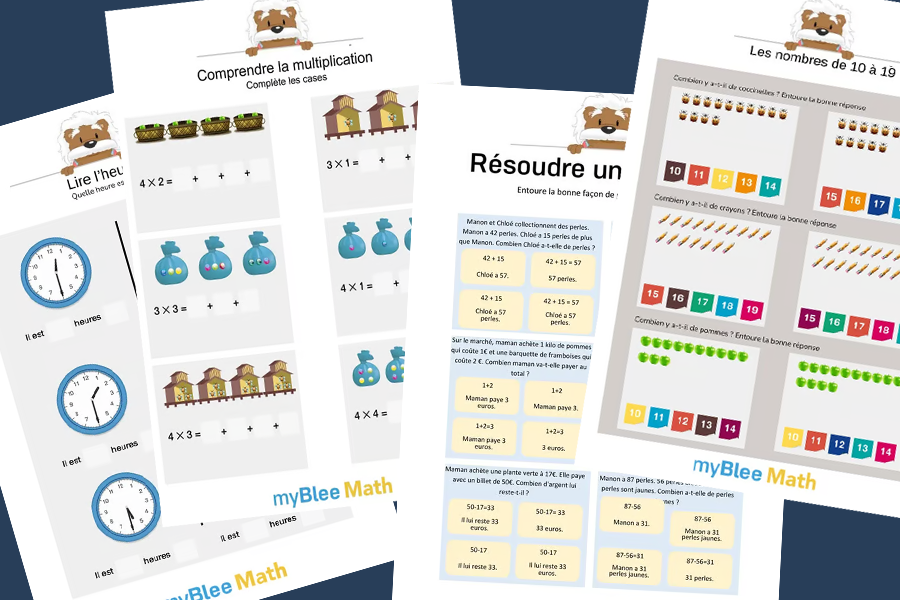
Beyond the Worksheet: Why Repetition Still Works (When Done Right)
If you taught mathematics in the 1990s or 2000s, or if you were a student then, you probably have memories of Kumon worksheets. Rows and rows of problems. Addition facts. Subtraction drills. Multiplication tables. The same operation type repeated twenty, thirty, forty times on a single page.
Read the article
Springing into a Fresh Start With Montessori
There's something about spring that makes everything feel possible again. The light changes, the air warms, and things that looked dormant all winter suddenly show signs of life. Gardens that were bare dirt in February are covered in green shoots by April.
Read the article
Why Singapore Math Works (And How myBlee Brings It to Life)
Year after year, Singapore's students rank among the highest-performing mathematics students in the world. This isn't a coincidence, nor is it simply a matter of more practice or longer school days. The Singapore Math method has cracked the code on how students genuinely learn mathematical concepts, and the results speak for themselves.
Read the article
Math is Math, Right? Why Multiple Methods Build Mathematical Understanding
Every mathematics teacher has lived this moment, usually during parent-teacher conferences or in response to homework that comes home looking unfamiliar. A parent looks at their child's work, furrows their brow, and says some version of the same thing: "Why are they teaching it this way? This seems so complicated."
Read the article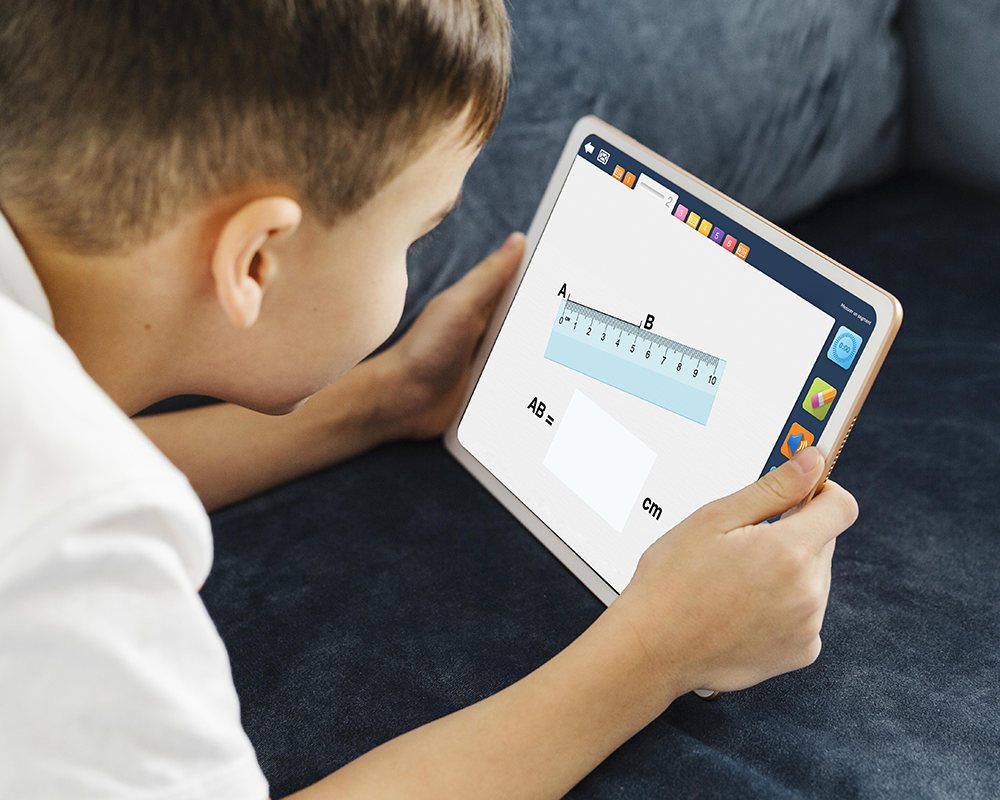
Teaching Measurement on a Screen: How Digital Rulers Can Feel More Real Than Physical Ones
How do you teach precise measurement on an iPad? It seems counterintuitive. Measurement is inherently physical: you hold a ruler, place it against an object, align the zero mark carefully, read where the object ends. It's tactile, spatial, hands-on in the most literal sense. So how could a digital version possibly work?
Read the article
The Holes in the Cheese: Why Swiss Cheese Learning Fails Students (And How to Fix It)
Sal Khan, founder of Khan Academy, uses a powerful metaphor to describe a pervasive problem in mathematics education: Swiss cheese learning. Imagine trying to build a tower on a foundation that looks solid from a distance but is actually full of holes. The higher you build, the more unstable the structure becomes. Eventually, it collapses.
Read the article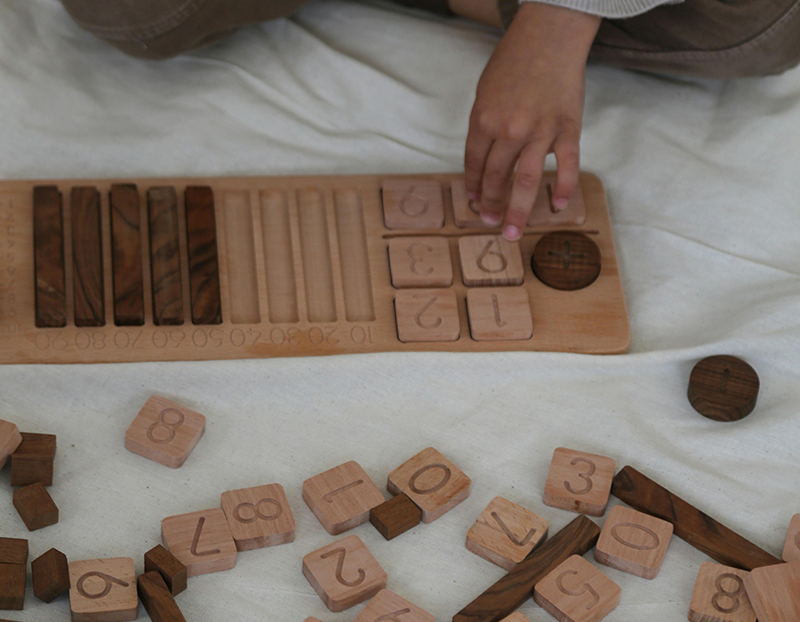
The Montessori Method and myBlee School: Why Touch Comes Before Theory
Over a century ago, an Italian physician named Maria Montessori made an observation that would transform education. While working with children in Rome's poorest neighborhoods, she discovered something that contradicted conventional teaching wisdom: children don't learn mathematics by listening to explanations or memorizing facts.
Read the article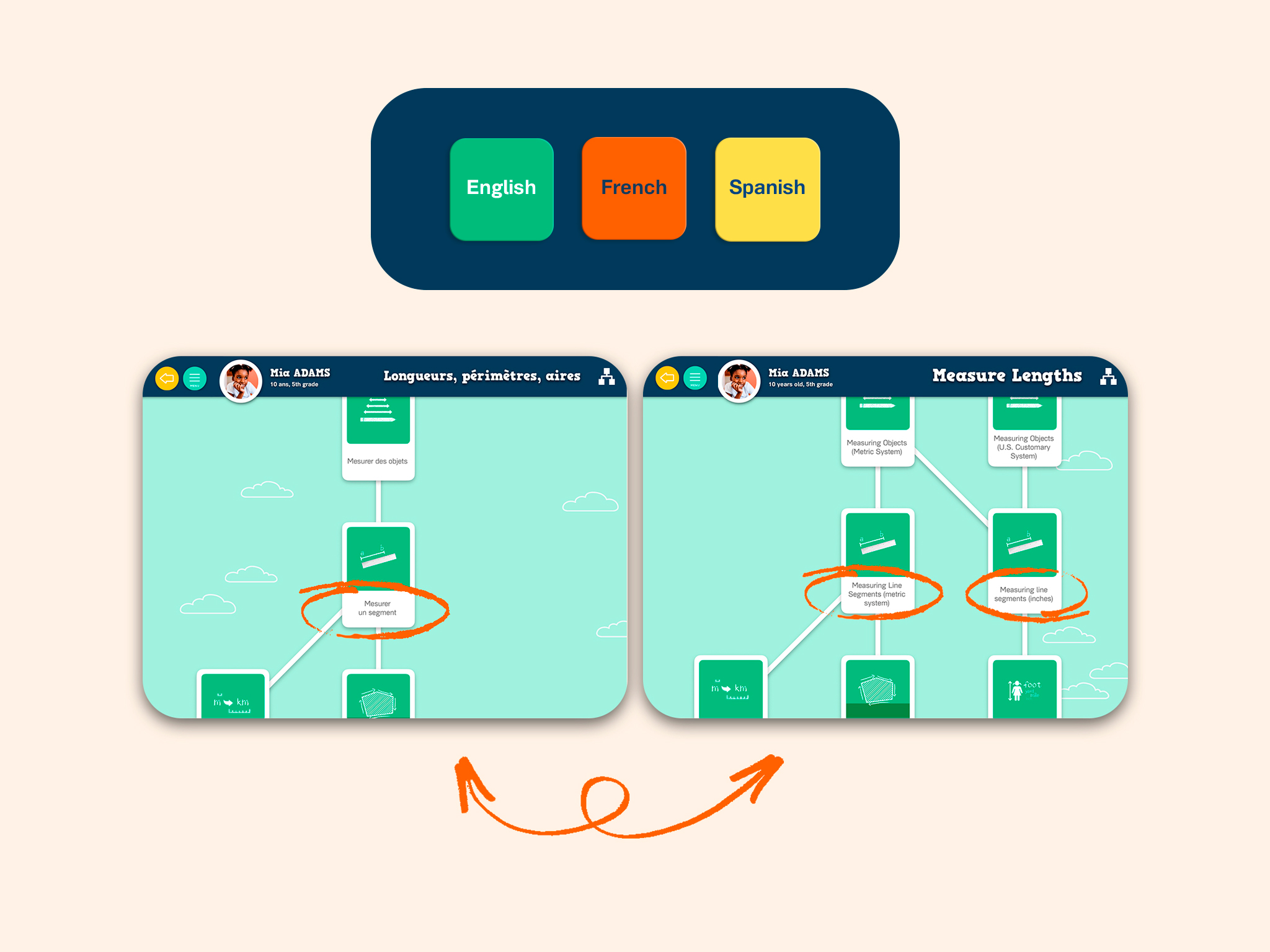
The Hidden Challenge Bilingual Schools Face: When Mathematics Speaks Two Languages
There's a moment that happens in bilingual classrooms around the world, and it's confusing for everyone involved. A student sits down on Monday morning with their English-speaking mathematics teacher. They're learning long division. The problem is straightforward: 72 ÷ 9. The teacher writes it on the board: 9)72, with the divisor outside and the dividend tucked inside. The student practices, gets comfortable with the notation, understands the steps.
Read the article
Why We're Geeking Out Over Rewards Systems (And Why You Should Too)
There's a moment every math teacher dreams of: a student finishing their assigned work and then asking, "Can I do more problems?" Not because there's extra credit involved. Not because a parent is making them. Simply because they want to.
Read the article
Meet Albert the Bear: Why Our Mascot is Named After a Genius (And Why That Matters)
Every educational platform needs a mascot. It's practically a requirement. Something friendly, approachable, memorable. Something that makes children feel welcome instead of intimidated.
Read the article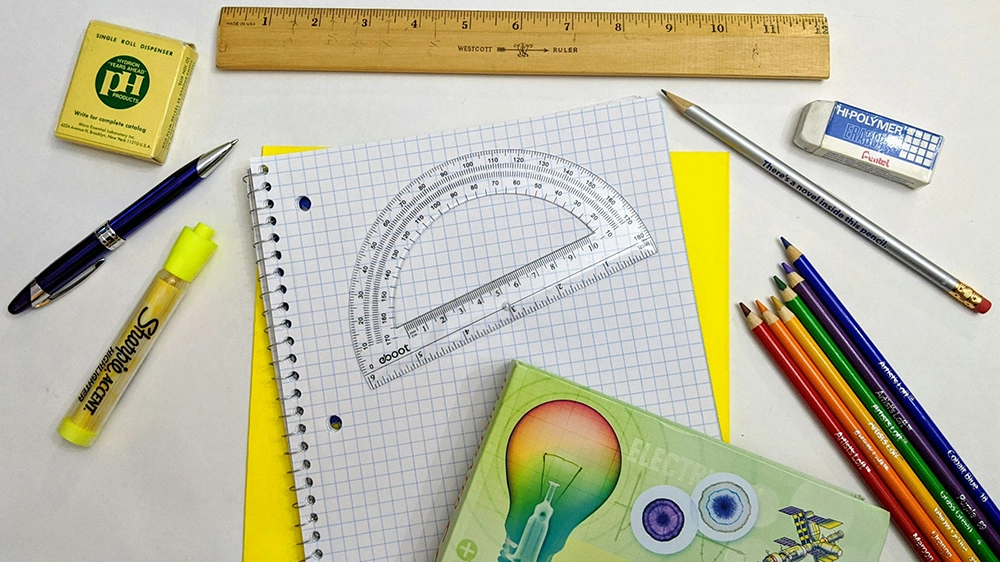
Teaching Protractors Without the Headache: Why Micro-Steps Beat Wholesale Confusion
Every mathematics teacher has lived this moment. You've planned a perfectly good lesson on measuring angles. You've prepared your examples, you've got a worksheet ready, you're confident. Then you hand out the protractors. Within thirty seconds, chaos.
Read the article
Fractions You Can Touch: Making Abstract Concepts Concrete
Ask any elementary teacher about the topics students struggle with most, and fractions will almost certainly top the list. It's not hard to understand why. For years, students have learned fractions through abstract rules and memorized procedures. Divide the numerator by the denominator. Find common denominators. Flip and multiply. These instructions work for some students, but for many others, fractions remain a mysterious collection of rules that never quite make sense.
Read the article
Why Breaking Math Into Micro-Steps Changes Everything
There's a persistent myth in education that some students are simply "math people" while others aren't. We've all heard it, perhaps even said it ourselves: "I'm just not good at math." This belief is so widespread that it's become accepted as fact, shaping how students see themselves and how teachers approach instruction.
Read the article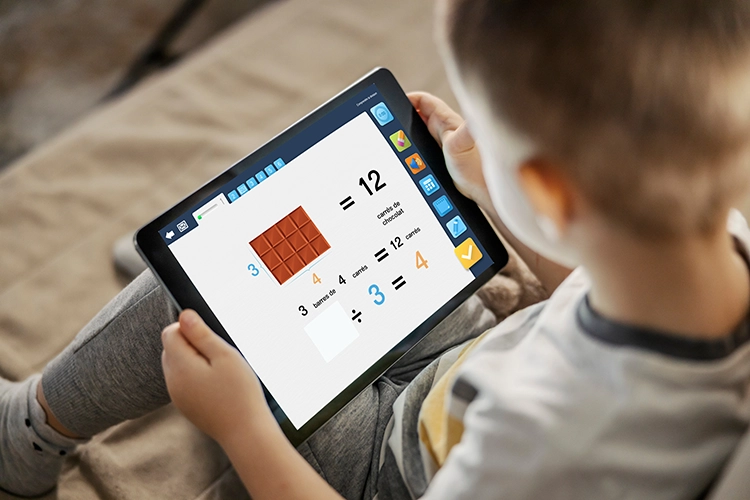
Division That Actually Makes Sense
Ask a fourth grader what division means, and you'll likely get an answer about times tables or long division. Ask them to explain why the division algorithm works, and you'll probably be met with silence. This isn't because students aren't paying attention or working hard enough. It's because traditional division instruction focuses on procedures before understanding.
Read the article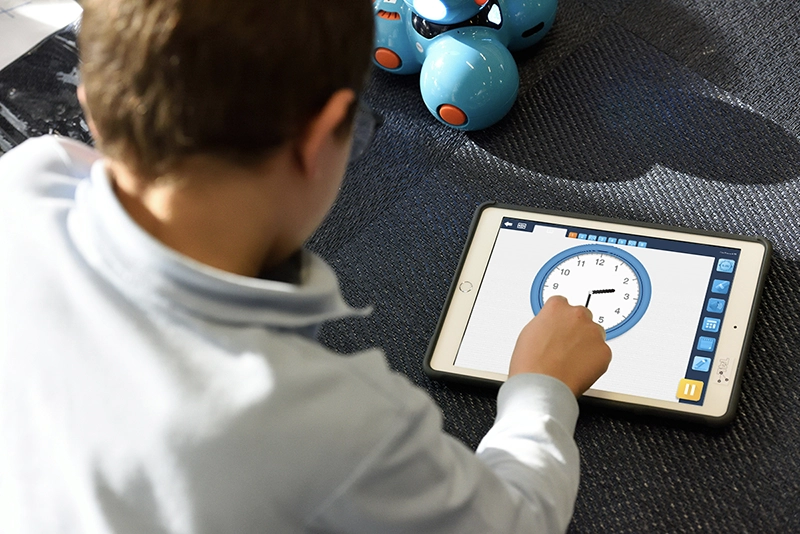
Diving into myBlee School: research-based mathematics for international schools
At myBlee, we believe that mastering mathematics isn't just about understanding theory, it's about practical application, consistent practice, and personalized learning that meets each student exactly where they are. That's why we built the myBlee School App with one clear purpose in mind: to serve the unique needs of international and bilingual classrooms.
Read the article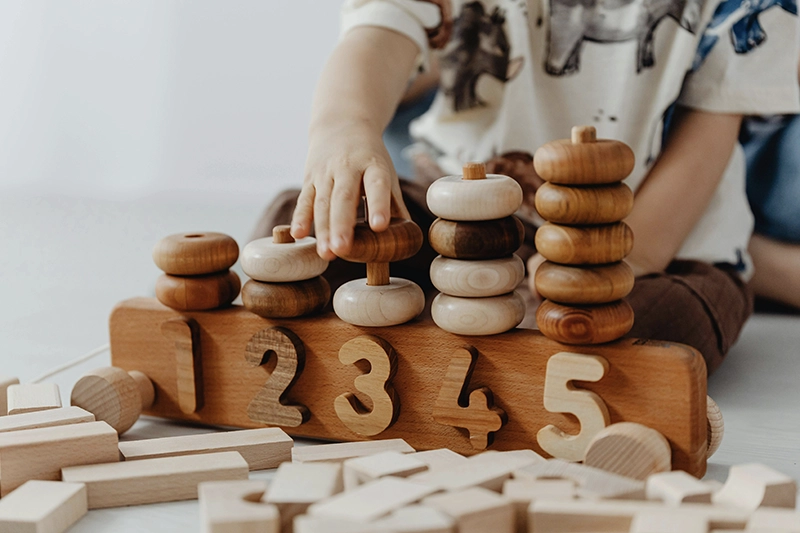
What is the Singapore method in mathematics?
The Singapore method teaches math in three stages: first, manipulating concrete objects (cubes, counters), then drawing visual diagrams , and finally moving on to numbers and symbols. The child truly understands what they are doing before drawing diagrams .
Read the article
Digital Parenting: How to Support and Reassure Parents?
Supporting and reassuring parents means clearly explaining how digital tools are used in the classroom, within a pedagogical framework controlled by the teacher. Educational tools, immediate feedback, and progress tracking strengthen learning, particularly in mathematics, while giving teachers more time to support students.
Read the articleDiscover all the latest mathematics news
Mathematics is not limited to numbers or equations: it is at the heart of our everyday lives.
From managing a budget to understanding statistics, math develops logic, rigor, and critical thinking. Understanding mathematics also means learning to solve real-world problems, to reason, and to stay curious.
On this blog, we share news, scientific discoveries, and also educational resources to help teachers and motivate students.
The goal: to make mathematics accessible to everyone and show that it can be exciting, creative, and useful. Because learning to love math is learning to understand the world differently.